Office Cleaning Best Practices for a Healthier, More Productive Workplace
A clean office is not just about appearances — it affects health, focus, and the impression you make on every visitor.
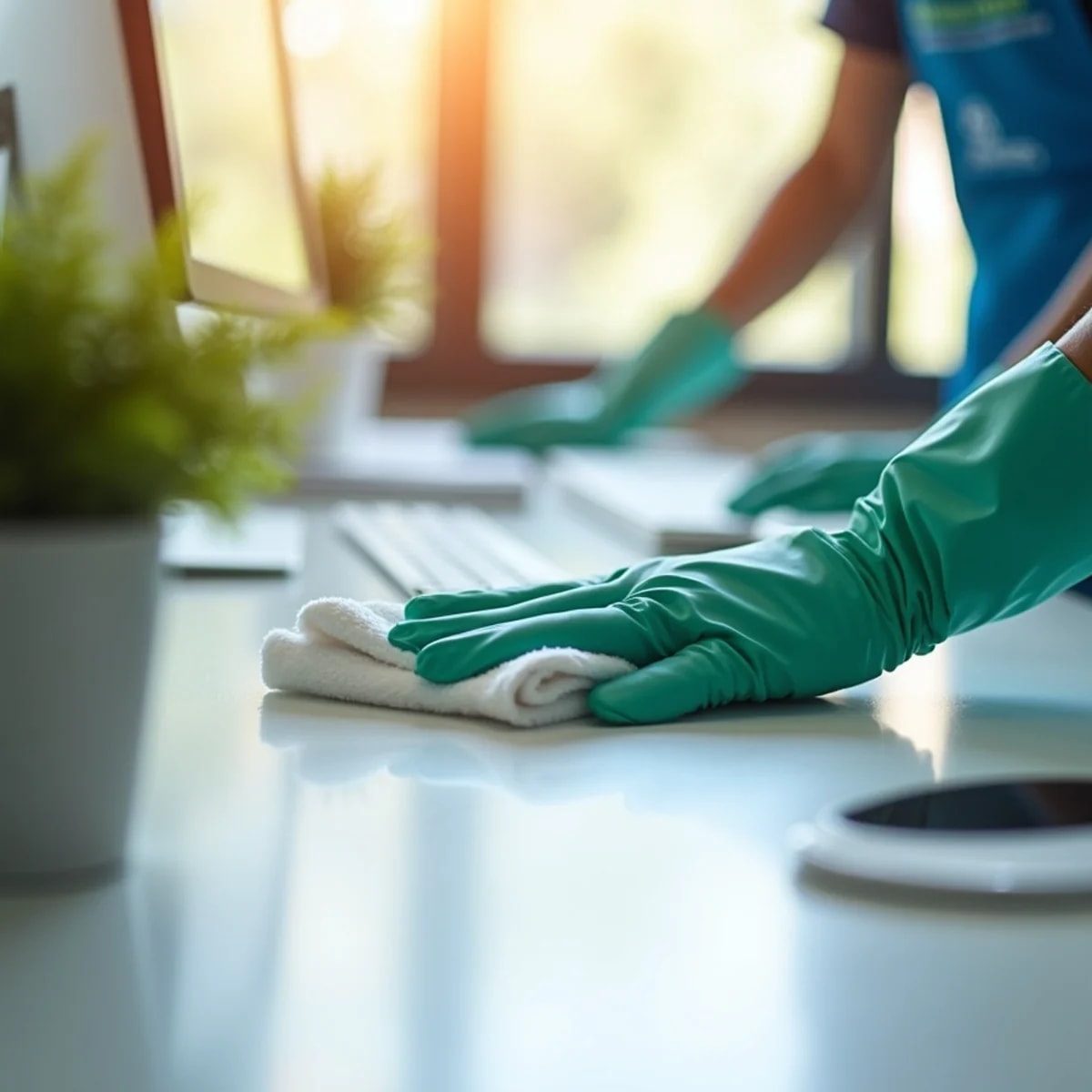
High-touch surfaces like door handles, light switches, keyboards, and shared equipment should be disinfected at least once daily; general workspaces, restrooms, and breakrooms need daily attention too, while carpets, upholstery, and hard-to-reach areas warrant a weekly-to-monthly deep clean. Frequency isn't just about appearances: research from ISSA found 88% of employees say a clean workplace directly affects their productivity, and studies link well-maintained offices to a 12-15% productivity gain and up to a 46% drop in sick-day absenteeism. This guide breaks down exactly what to clean and how often, which surfaces spread the most germs, and how a smart cleaning routine protects both your team's health and your bottom line, with practical advice for Toledo and Northwest Ohio workplaces.
How Often Should an Office Be Cleaned?
The right cleaning frequency depends on foot traffic, industry, and how many people share the space, but nearly every office benefits from a tiered schedule that separates daily tasks from weekly and periodic deep work. A five-person accounting office and a 40-desk call center have very different needs, yet both follow the same logic: hit high-contact and high-visibility areas most often, and rotate deeper tasks so nothing gets neglected. Here's a proven baseline schedule.
- Daily: Empty trash and recycling, disinfect high-touch surfaces (door handles, light switches, elevator buttons, shared keyboards/phones), wipe down restrooms and restock supplies, clean breakroom counters and sinks, spot-clean spills, and vacuum or dust-mop main traffic paths.
- Weekly: Vacuum all carpeted areas including under desks, mop hard floors, dust workstations and monitors, disinfect breakroom appliances (microwave, fridge handles, coffee machine), and deep-clean restrooms including grout and fixtures.
- Monthly: Dust vents, blinds, ceiling fans, and light fixtures; wipe baseboards and door frames; clean interior glass and partitions; and detail behind and under furniture.
- Quarterly / Seasonal: Carpet hot-water extraction (steam cleaning), upholstery cleaning, high dusting, window washing, and hard-floor stripping or refinishing.
Medical offices, dental practices, daycares, gyms, and food-service businesses should clean and disinfect more aggressively, often multiple times per day, because of higher contamination and regulatory expectations. When in doubt, err toward more frequent disinfection of shared surfaces during Ohio's flu season, which typically peaks between December and February.
High-Touch Surfaces: Where Germs Actually Spread
Germs don't spread evenly across an office; they concentrate on a small number of surfaces that dozens of hands contact every hour. A single contaminated door handle can transfer bacteria to more than half of the people and surfaces in an office within hours. Prioritizing these high-touch points is the single highest-return cleaning practice for reducing illness transmission. Focus daily disinfection on:
- Door handles, push plates, and cabinet pulls
- Light switches, elevator buttons, and thermostat controls
- Shared keyboards, mice, phones, and touchscreens
- Breakroom appliance handles: fridge, microwave, coffee maker, water cooler
- Restroom faucets, flush handles, stall latches, and paper-towel dispensers
- Reception desks, sign-in tablets, and pens
- Conference-room tables, remotes, and shared A/V equipment
- Copier and printer touchpads
- Handrails, stair rails, and vending machines
- Shared kitchen surfaces, sink faucets, and cabinet handles
Use an EPA-registered disinfectant and respect the product's dwell time, the number of seconds a surface must stay visibly wet to actually kill pathogens. Wiping a surface dry too quickly is one of the most common mistakes and dramatically reduces effectiveness. At Wevessa, our crews follow a High-Touch Rotation System that maps every shared contact point in your facility and assigns it a disinfection frequency, so nothing gets missed between visits.
The Link Between a Clean Office and Productivity
A clean workplace is a business investment, not just a cosmetic one. The data is consistent: HLW International research found employees in clean, well-maintained offices were roughly 12% more productive, and broader workplace studies show gains of up to 15%. Cleanliness also cuts costs on the other side of the ledger, with well-maintained offices reporting absenteeism reductions of up to 46% thanks to fewer germs circulating during cold and flu season. The mechanisms are straightforward:
- Fewer sick days: Regular disinfection of high-touch surfaces interrupts the chain of infection, keeping more of your team at their desks.
- Better focus: Clutter-free, fresh-smelling spaces reduce cognitive load and distraction, helping employees concentrate.
- Improved morale and retention: A cared-for workplace signals that leadership values its people, which supports engagement and lowers turnover.
- Stronger first impressions: Clients, candidates, and partners judge your professionalism the moment they walk in; a spotless reception and restroom builds trust.
Indoor air quality matters just as much as visible surfaces. Dust, allergens, and mold on vents and carpets circulate through HVAC systems and trigger allergies and respiratory irritation, a real concern during Northwest Ohio's pollen-heavy spring and again in fall. Using HEPA-filtration vacuums and regular high dusting keeps the air your team breathes noticeably cleaner.
Room-by-Room Office Cleaning Best Practices
Professional crews always clean top to bottom and back to front, dusting high surfaces before vacuuming so debris falls onto floors that get cleaned last, and working from the far corner of a room toward the exit so freshly cleaned floors aren't re-tracked. Apply that logic to every zone.
Workstations and Open Offices
Dust monitors, desks, and surfaces first, disinfect keyboards, mice, and phones, then vacuum carpet or dust-mop under and around desks. Encourage a clear-desk policy so surfaces can actually be wiped rather than dusted around clutter.
Restrooms
The most scrutinized space in any office. Disinfect all fixtures, faucets, stall handles, and dispensers daily; mop with a fresh disinfectant solution; restock soap, towels, and tissue; and deep-clean grout and floors weekly to prevent odor and mildew, which builds quickly in Toledo's humid summers.
Breakrooms and Kitchens
Sanitize countertops, tables, sinks, and every appliance handle daily. Clean inside the microwave and wipe the refrigerator regularly, and disinfect the coffee station, a surprising germ hotspot touched by nearly everyone.
Reception and Common Areas
These shape first impressions. Keep glass doors and partitions streak-free, dust and disinfect the front desk and sign-in devices, sanitize seating, and vacuum entry mats often, especially in winter when road salt, slush, and grit get tracked in across the region.
Daily Janitorial vs. Deep Office Cleaning
Understanding the difference helps you budget and schedule correctly. Routine janitorial service keeps the office presentable and sanitary day to day, while periodic deep cleaning tackles the buildup that daily wiping can't reach.
- Daily/Routine janitorial: Trash removal, high-touch disinfection, restroom and breakroom upkeep, surface dusting, and traffic-lane vacuuming. Fast, recurring, and focused on maintenance.
- Deep cleaning: Carpet hot-water extraction, hard-floor stripping and waxing, high dusting of vents and fixtures, detailed baseboard and window work, upholstery cleaning, and moving furniture to clean underneath. More time-intensive and typically scheduled monthly, quarterly, or seasonally.
As a rough budgeting guide, recurring commercial office cleaning commonly runs about $0.07-$0.25 per square foot per visit, or roughly $25-$50 per hour per cleaner, with periodic deep cleans priced higher. Actual pricing depends on square footage, frequency, office type, and add-on services, so the most accurate number always comes from a walk-through quote.
Seasonal Cleaning for Toledo and Northwest Ohio Workplaces
Our local climate creates predictable cleaning challenges, and planning for them keeps offices in Downtown Toledo, Perrysburg, Sylvania, Maumee, and the surrounding suburbs looking their best year-round. In winter, ramp up entry-mat vacuuming and floor mopping to combat salt, slush, and mud, which stain carpet and etch hard floors if left to sit. In spring, prioritize high dusting, vent cleaning, and carpet extraction to clear the pollen and allergens that spike locally. Through humid summers, watch restroom and breakroom areas for mildew, and in fall, reset with a deep clean ahead of flu season. Wevessa builds these seasonal touchpoints into every recurring plan so your facility stays healthy in every Ohio season.
Keep Your Toledo Office Cleaner, Healthier, and More Productive
A consistent, well-designed cleaning routine pays for itself in fewer sick days, sharper focus, and a workplace people are proud to walk into. Wevessa Cleaners is a locally owned, fully insured, eco-friendly commercial cleaning company serving Toledo and Northwest Ohio, with background-checked, trained crews, family- and pet-safe products, a 4.9-star rating across 130+ reviews, and a 100% satisfaction guarantee. Ready to build a cleaning schedule tailored to your space? Contact Wevessa for a free, no-obligation walk-through quote and see how much cleaner your workday can be.
Frequently asked questions
Let Wevessa handle the cleaning
Spend your time on what matters — we'll take care of your Toledo home or office.